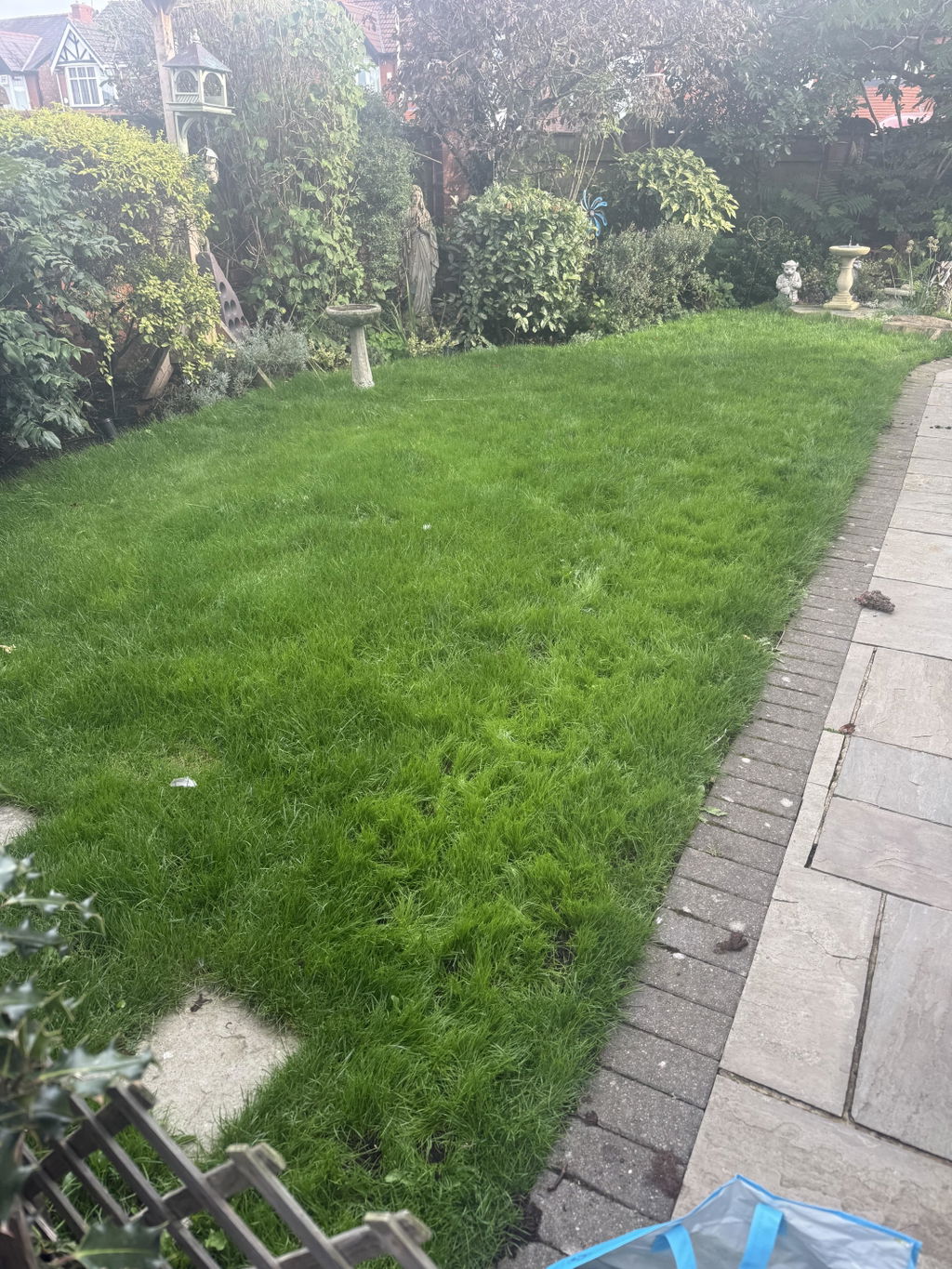
Stop scattering seed on top of your lawn and hoping for the best. Here's how to actually do it properly.
Step 1: Cut as low as you can Drop your mower to its lowest setting. You want as little existing leaf as possible so seed reaches the soil, not a canopy of grass.
Step 2: Scarify Rake or scarify out any moss. Seed needs soil contact, not a bed of dead moss.
Step 3: Aerate If you have heavy or compacted soil (especially clay), hollow-tine aerate now. Do this AFTER scarifying. If you do it before, you'll just push moss into the holes.
Step 4: Level Got a bumpy lawn? Now's the time to fix it. Spread a thin layer of topsoil or horticultural sand across the low spots using the back of a rake.
Step 5: Seed up to 50g per square metre on bare areas (roughly a large handful per stride). Half that on areas that already have grass. More is not better. Overcrowding leads to weak seedlings fighting each other for space and nutrients. You don’t want seeds touching each other.
Step 6: Cover with a light layer of topsoil over the seed. This does two things: stops birds eating it and stops the seed drying out before it germinates. If you only have limited topsoil, use it here and not in step 4.
Step 7: Roll or tread Firm everything down. Walk over it, roll it, whatever you have. Seed-to-soil contact is everything. If the seed is just sitting on the surface, it won't germinate.
Watering. Water at least twice a day for 2-3 weeks until your new lawn has established. Morning and late afternoon. Miss this step and everything above was pointless.
When to mow: Once your new grass reaches 5-6cm, give it its first cut. Keep the mower high. You're not trying to give it a buzz cut, just a gentle trim to encourage it to thicken up. After that first mow, apply Spring Revival Lawn Feed to give the new grass everything it needs to thicken out.
To be fair, this was probably a 2.5 min read.
But maybe, it'll save you 2.5 hours.
Liam
Founder, Great British Lawn Co.
The lawn plan has done wonders for my lawns, they’ve never been so green and lush, definitely worth the yearly subscription
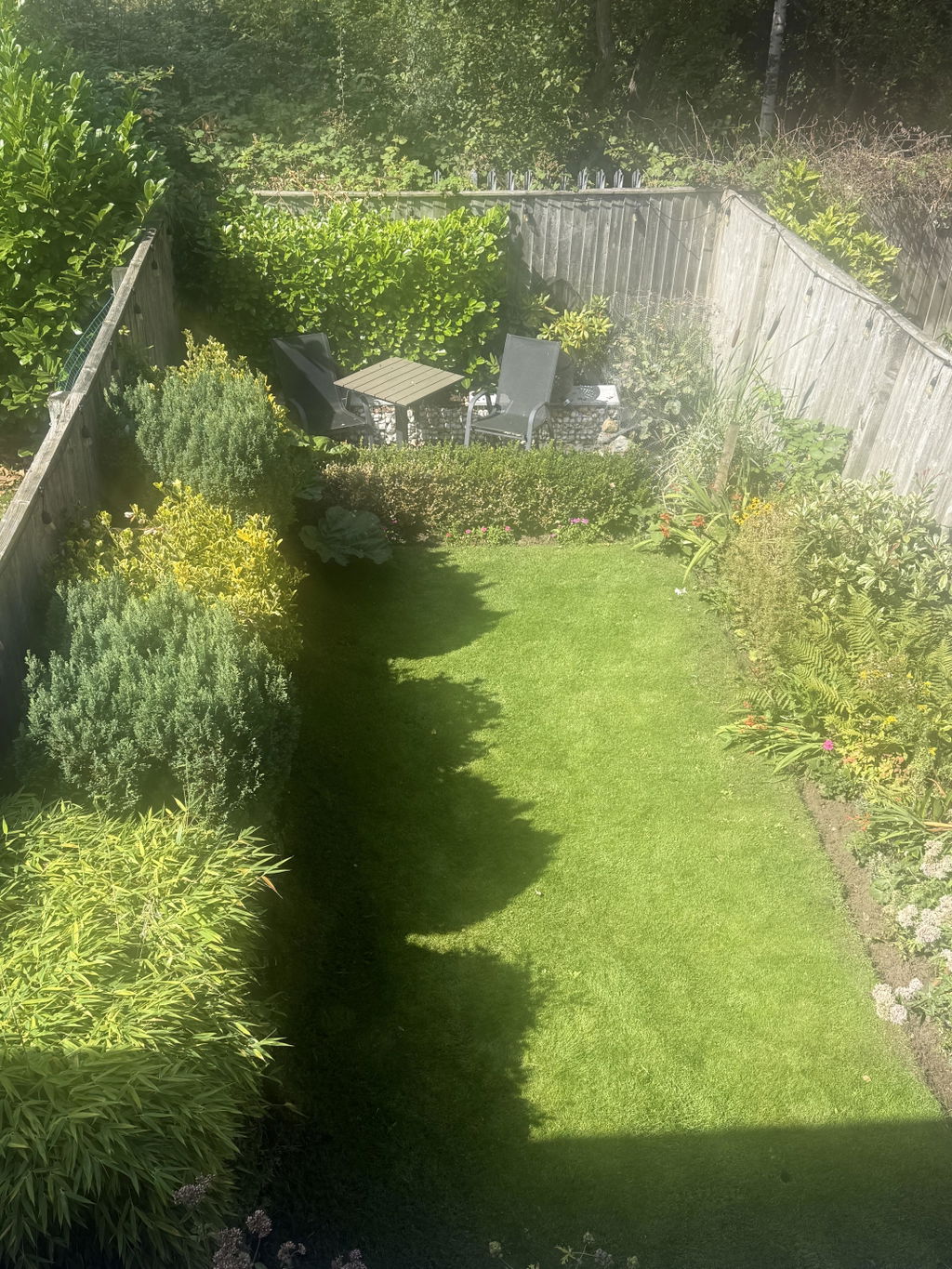
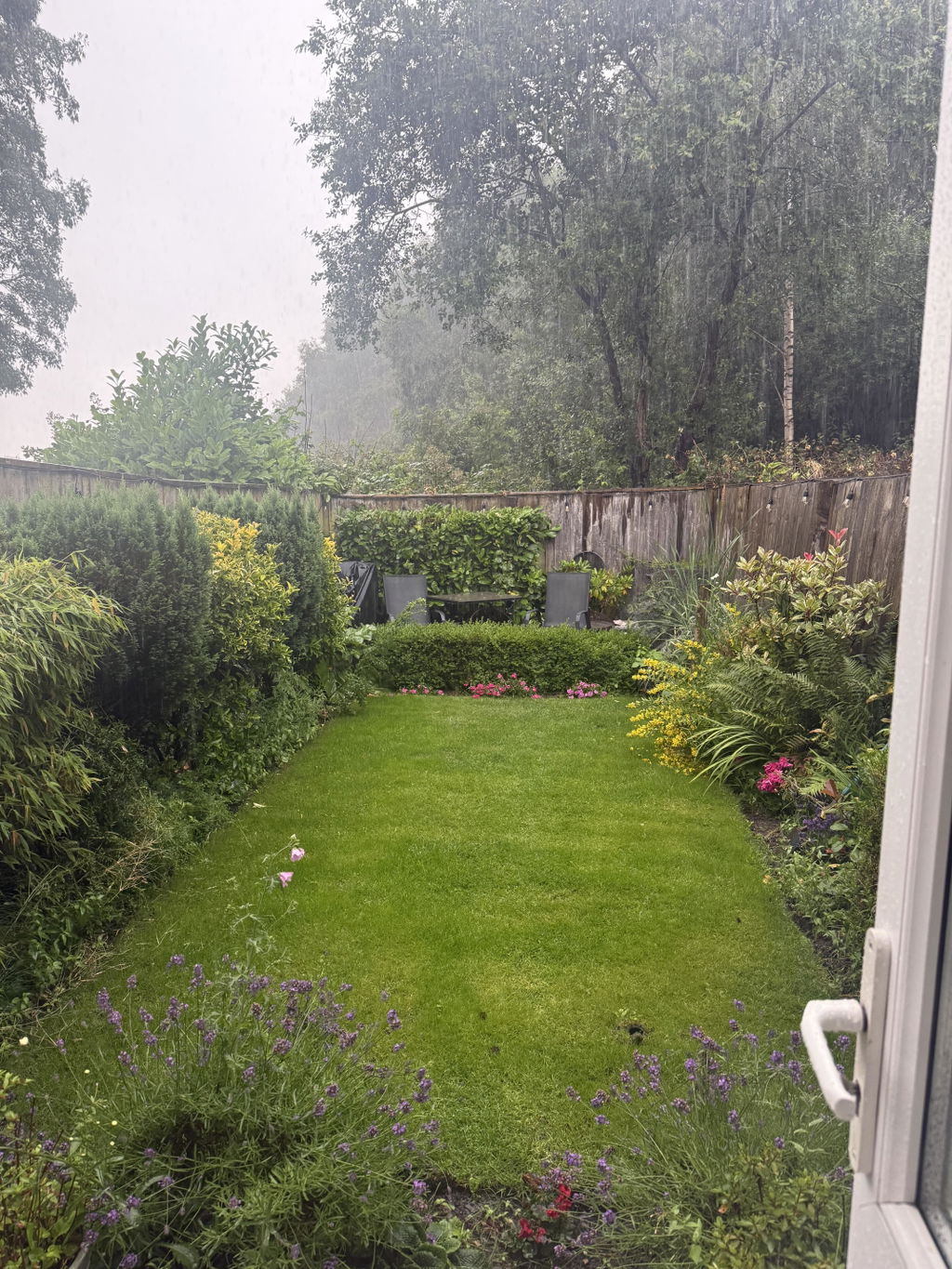
Daughter bought her first house in June and inherited a back garden which had been neglected for some months After moving in I was tasked with getting the garden into shape. I put in a lot of time in preparing for a decent lawn. After levelling, seeding and top dressing then came the hose pipe ban. As a new lawn she has a dispensation to use a hose. To be honest the excessively high temperatures made the whole task soul destroying. Eventually rain was forecast and I gambled on putting her lawn treatment down. The results were nothing short of a miracle. Now cutting twice a week and I have a very happy daughter.
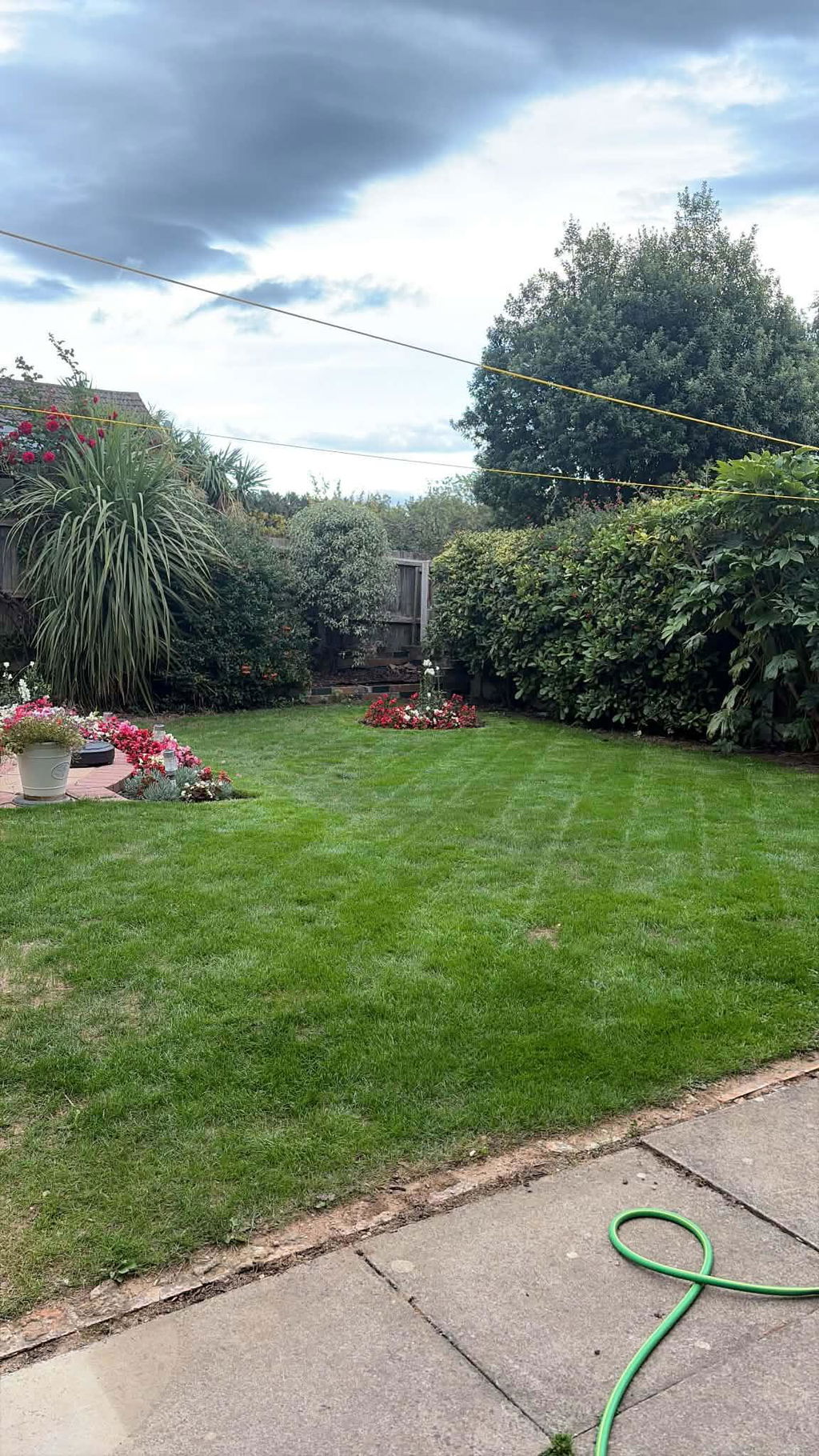
Own lawn was patchy and dry. After one feed and seed it lush green and full lawn